

Explore proven spin tactics for bigger moments
Gonzo megaways rtp tricks
Trusted by Canadian slot players
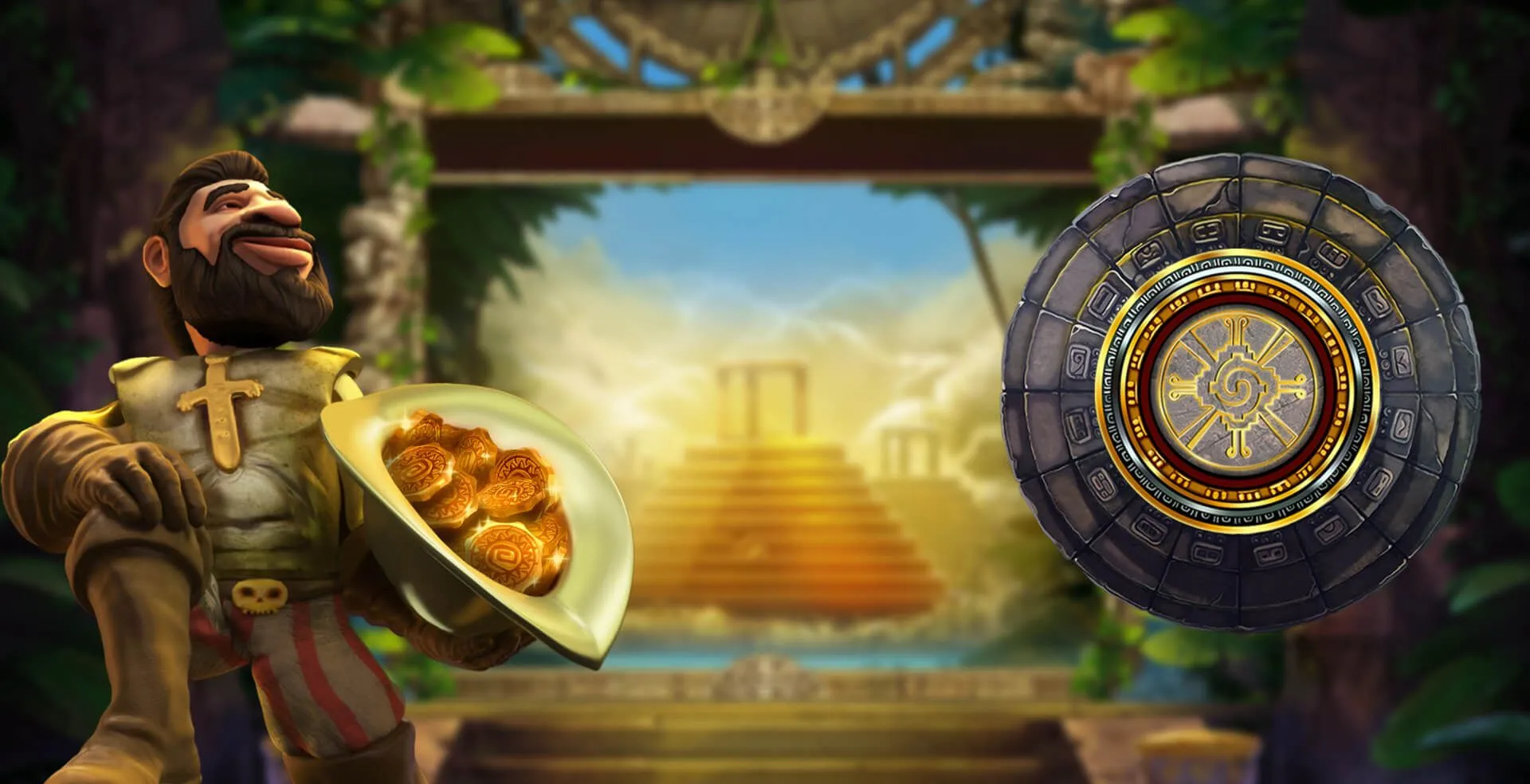
Tricks for Gonzo Quest Megaways: How to Play Smarter, Read RTP, and Chase Better Sessions
If you landed on this page, you’re probably looking for something more useful than generic “tips.” Most Canadian players searching for gonzo megaways rtp or gonzo’s quest megaways rtp are trying to answer a few practical questions: What does the RTP actually mean for my bankroll? How volatile is this slot, and what kind of session should I expect? Are there any legitimate “tricks” that improve my chances—without drifting into myths or risky behaviour?
This guide is designed for exactly that intent. Gonzo Quest Megaways is a high-volatility slot where results can swing fast, and it rewards players who understand mechanics like cascading reels, multipliers, and bonus-trigger probabilities. While there’s no trick that changes the random number generator, there are strategies that help you choose better stakes, time your sessions, interpret stats like RTP, and avoid common mistakes that drain your bankroll.
You’ll also see internal references to Gonzo Quest Megaways where it makes sense, so you can cross-check key details while you read.
Understand What “Tricks” Really Mean in a Megaways Slot
Let’s set expectations clearly: no trick can “beat” a properly regulated online slot in Canada. Gonzo Quest Megaways uses RNG outcomes and a fixed math model that you can’t influence by clicking faster, switching bets after losses, or playing at a specific time of day. Any guide claiming otherwise is selling you superstition, not skill.
What does work is improving how you approach the game. Think of “tricks” as decision frameworks: knowing when to raise or lower your stake, choosing a session length that matches volatility, and using the paytable information to align your goals with the slot’s design. In a high-volatility game, you’re not optimizing for constant small wins—you’re optimizing for survival and upside.
For Canadian players, the practical side matters: bankroll in CAD, responsible limits, and whether you’re playing at an onshore platform (provincial) or an offshore site. Those factors affect everything from deposit options to bonus terms, which can either support your strategy—or undermine it.
Gonzo Megaways RTP and Gonzo’s Quest Megaways RTP: What You Should Know
When people search gonzo megaways rtp or gonzo’s quest megaways rtp, they’re usually trying to predict how “good” the slot is. RTP (Return to Player) is the theoretical long-term percentage a slot returns to players, averaged over a huge number of spins. If a game has 96% RTP, that doesn’t mean you’ll get $96 back from every $100 in one session. It means that across millions (or billions) of spins, the average return trends toward that number.
The “trick” here is to treat RTP like a baseline for comparing slots, not a guarantee. Two games can share the same RTP but feel completely different because volatility and hit frequency vary. Gonzo Quest Megaways tends to feel streaky because it’s designed for big multipliers and bonus-driven outcomes rather than steady base-game payouts.
Also note that some slots have multiple RTP configurations depending on the casino. This is a major reason Canadians should always confirm the displayed RTP in the game info panel before committing real money. If the casino offers a lower RTP version, your long-run expectation changes—even if everything else looks identical.
How to verify the RTP in-game (a real, useful “trick”)
Before you start a serious session:
- Open the game menu or information panel.
- Find “RTP” or “Return to Player.”
- If multiple versions exist, confirm the exact percentage shown.
- Compare it to other sites if you’re choosing where to play.
This simple check protects you from playing a lower-return configuration without realizing it.
Volatility: The Biggest “Trick” Most Players Ignore
If RTP is the long-run average, volatility is the ride. High-volatility slots like Gonzo Quest Megaways can deliver long cold stretches and then spike with a big feature or multiplier chain. That’s why “play smarter” often means playing with a stake that lets you survive variance.
A common mistake is setting a bet size based purely on what feels fun—then realizing 80–150 spins can disappear quickly during a dry spell. In a Megaways slot, base-game wins can be frequent but small, and the real value comes from cascades, multipliers, and bonus rounds. If your bet is too high, you cut your chance of reaching the moments that matter.
For Canadian players used to lower-volatility classics, the adjustment can be jarring. The best trick is aligning bankroll and expectations: if you want the chance at a gonzo quest megaways big win, you must accept that many sessions won’t produce one. Your goal becomes giving yourself enough runway to let the math play out.
Bankroll-to-bet guidelines (practical, not perfect)
These aren’t strict rules, but they’re useful starting points:
- Conservative sessions (longer playtime): 300–500 spins of bankroll.
- Balanced sessions (moderate variance tolerance): 200–300 spins of bankroll.
- Aggressive sessions (chasing big hits): 100–200 spins of bankroll.
If your budget is $100 CAD, that might mean choosing a bet that allows 200–300 spins, rather than going large and hoping for an early bonus.
Learn the Core Mechanics: Cascades, Multipliers, and Reel Dynamics
Gonzo Quest Megaways isn’t a simple “spin and pay” slot. It typically uses cascading reels (avalanche mechanics), where winning symbols disappear and new ones drop in, potentially creating multiple wins per spin. This is crucial because multipliers often increase with consecutive cascades, and that’s where big moments come from.
The “trick” is realizing that your best outcomes aren’t always single-line hits—they’re sequences. A modest first cascade can become valuable if it continues and the multiplier climbs. That’s why judging the game by the first few spins can be misleading.
Megaways mechanics also mean the number of ways to win changes each spin. Some spins have fewer symbol positions and fewer potential ways; others expand. So when you hear players talk about “good spins,” they may be reacting to expanded reels, not a real change in odds. The odds are still baked into the math model; the visuals just make the variance more noticeable.
Use Session Planning as Your Most Reliable “Trick”
Most players lose money not because the slot is “rigged,” but because they play without a plan. Gonzo Quest Megaways punishes impulsive stake changes, endless chasing, and marathon sessions after a tilt moment. A session plan is one of the only advantages you can control.
Start by deciding the purpose of the session. Are you testing the feel of the game, trying to complete wagering requirements, or purely hunting upside? Each goal should change how you bet and how long you play. This is where many Canadians get trapped—mixing “bonus grinding” behaviour with “big win hunting” behaviour and ending up with a strategy that fits neither.
A solid plan includes a budget, a target number of spins, and a stop-loss. If you’re ahead, it also includes a realistic stop-win. High volatility can take you from “great” to “gone” quickly if you keep playing after a strong hit.
A simple session structure that suits high volatility
Try this structure:
- Phase 1 (20–30 spins): Warm-up at your baseline bet.
- Phase 2 (50–150 spins): Main session, no stake changes unless pre-planned.
- Phase 3 (20–30 spins): Cool-down; if nothing has happened, end rather than chase.
This doesn’t change odds, but it protects you from the most common behavioural traps.
Stake Sizing Tricks: When to Raise, When to Hold, When to Lower
The most damaging habit in high-volatility slots is reactive betting: increasing stakes after losses because you feel “due,” or raising after a small win because momentum feels real. In reality, each spin is independent. Stake changes should be based on bankroll management, not emotion.
A smarter approach is to decide a stake ladder before you start. For example, you might have three preset bet levels: low (to extend playtime), medium (your normal), and high (only if your bankroll grows enough to support it). This turns betting into a controlled decision rather than a reaction.
Also consider the impact of stake size on your goals. If you’re chasing a gonzo megaways max win scenario, you need to accept that a higher bet increases the payout size of a rare hit—but also increases the cost of reaching it. Many players would do better aiming for a meaningful win that fits their bankroll rather than swinging for the absolute ceiling.
A bankroll-friendly stake ladder (example)
- Start at 1 unit (your baseline).
- Only move to 1.5–2 units if you’re up 30–50%.
- Drop back to 1 unit if you fall to your starting bankroll.
- End the session if you hit your stop-loss.
This keeps the “risk of ruin” lower while still letting you press when you’re genuinely ahead.
Bonus Features and Trigger Behaviour: How to Think About Them
Many players treat bonus features like they’re scheduled—like if you spin long enough, you “earn” one. That’s not how it works. Bonus triggers are random events governed by the slot’s probability model. You can go 30 spins without a feature or 300 spins; both can happen.
The real trick is to treat bonus rounds as high-impact variance events. In slots like Gonzo Quest Megaways, bonuses often contribute a significant portion of the overall RTP. That means a session without a bonus can underperform heavily, and a session with a strong bonus can overperform dramatically.
So what can you do? Focus on giving yourself enough spins to realistically encounter variance without overextending your budget. That’s why conservative bankroll ratios matter. If your bankroll only supports 50 spins, you’re essentially buying a lottery ticket and calling it “strategy.”
Don’t let the “bonus chase” trap you
Avoid these common mistakes:
- Raising your bet size after 100 dry spins because “it must be close.”
- Buying bonuses impulsively (if available) without considering cost vs. volatility.
- Restarting deposits just to “get the feature you were owed.”
If a feature lands, great. If not, your plan should still end the session cleanly.
Gonzo Megaways Max Win and Big Win Thinking: Reality vs. Hype
Search terms like gonzo megaways max win and gonzo quest megaways big win often come from highlight videos and streamer clips. Those videos are entertainment—and they compress time. You don’t see the long losing stretches, the many average bonuses, or the bankrolls behind the scenes.
A max win is a statistical outlier. It’s not something you can “force” with timing or bet tweaks. What you can do is decide whether your bankroll and risk tolerance justify playing a high-volatility slot at all. For many players, the best outcome is not a max win—it’s a strong session where you leave up a meaningful amount.
If you’re serious about chasing big outcomes, treat it like high-risk entertainment with strict limits. The most reliable way to improve your experience is to avoid going broke before the upside arrives. That’s why session planning, stake control, and RTP checking matter more than any so-called secret trick.
Comparing Play Styles: Casual, Bonus-Optimized, and High-Risk Hunting
Different players want different things from Gonzo Quest Megaways. Canadians searching “tricks” often want to know which style suits them and how to avoid wasting money in the wrong approach. Below is a practical comparison to help you choose a lane.
A casual style prioritizes entertainment time and lower stress. A bonus-optimized style prioritizes clearing wagering efficiently and avoiding extreme swings. A high-risk hunting style prioritizes upside and accepts frequent busts.
Here’s a table to make the tradeoffs clearer.
| Play Style | Typical Bet Size vs. Bankroll | Session Length | Best For | Main Risk | Practical “Trick” |
|---|---|---|---|---|---|
| Casual / Low Pressure | 1/300 to 1/500 | Longer | Relaxed play, exploring mechanics | Missing big hits due to low stake | Set a time limit and quit while entertained |
| Balanced / Standard | 1/200 to 1/300 | Medium | Most players, steady control | Tilt after dry spells | Use a preset stop-loss and stop-win |
| High-Risk Hunting | 1/100 to 1/200 | Short to Medium | Chasing a gonzo quest megaways big win | Fast bankroll busts | Only “press” stakes when already up |
| Bonus/Wagering Focused | Varies; often lower | Medium to Long | Clearing bonuses responsibly | Bonus terms eating value | Choose higher RTP versions and avoid max bet spikes |
Open the Current Gonzo Game Route
The “right” style depends on your budget and your emotional tolerance for swings.
Casino Selection in Canada: Where “Tricks” Actually Matter
For Canadian players, one of the most impactful decisions isn’t inside the game—it’s where you play. Platform choice affects RTP version availability, game speed settings, bonus terms, withdrawal speed, and whether you get reliable customer support. Those factors can matter more than any micro-strategy.
If you play on a provincially regulated platform, you typically get strong consumer protections and straightforward banking. Offshore casinos may offer bigger promotions or broader game libraries, but terms can be more complex. Neither is automatically “better,” but you should match the platform to your priorities.
The real trick is reading the terms before you deposit—especially if you plan to use bonuses. Slots often contribute differently to wagering, and some promotions have max bet rules that can get winnings voided if you exceed them. That’s a painful way to learn a lesson.
Quick checklist before you play
- Confirm the RTP displayed in the slot info.
- Check if there’s a max bet rule tied to your bonus.
- Look for realistic wagering requirements for slots.
- Verify CAD banking options and withdrawal timelines.
- Ensure you can access game history for transparency.
When you’re learning the game, it can help to read a broader overview on Gonzo Quest Megaways and then return to this page to fine-tune your approach.
Settings and Pace: Speed, Autoplay, and Why They Influence Results Indirectly
Changing spin speed doesn’t change RNG outcomes, but it changes how you experience variance and how quickly you burn through your bankroll. Many players who complain a slot “ate my balance” simply played at max speed with autoplay on and didn’t realize how quickly hundreds of spins went by.
If you’re using autoplay, treat it like a tool with safety rails. Set a clear number of spins, add a loss limit if the option exists, and avoid running it while distracted. High-volatility slots can swing quickly, and autoplay can cause you to miss the moment you should stop.
Spin pace also affects decision-making quality. Slower play gives you time to track your bankroll, notice tilt, and stick to your plan. Faster play can be fun, but it’s easy to slide from “entertainment” to “impulse” without noticing.
Autoplay rules that protect your bankroll
Consider these guidelines:
- Set autoplay for a fixed block (e.g., 25–50 spins), not unlimited.
- Use a loss limit (e.g., 10–20% of bankroll per block) if available.
- Pause after each block and reassess—don’t just restart.
This is one of the simplest “tricks” that improves discipline without affecting fairness.
Tracking Your Sessions: A Data-Based Trick Most Players Skip
If you want to play smarter over time, track your sessions. You don’t need a spreadsheet worthy of an accountant, but you should record a few basics: starting bankroll, ending bankroll, bet size, number of spins (approximate is fine), and any notable features or big hits.
Why does this matter? Because memory is biased. Players remember big wins and painful losses more vividly than average sessions. Tracking helps you understand whether the game fits your entertainment budget and whether your bet sizing is sustainable.
It also helps you evaluate “RTP feelings.” Many players say a slot has “bad RTP” because they had two rough sessions. That’s not evidence. If you log 10–20 sessions, you’ll see a truer picture of how often you hit bonuses and how your bankroll behaves.
What to track (simple format)
- Date and platform
- Stake (CAD per spin)
- Start / end balance
- Estimated spins
- Biggest hit (x bet)
- Notes (tilt moments, stake changes, bonus buys)
Over time, you’ll identify patterns in your own behaviour—often the real leak in results.
Common Myths Disguised as Tricks (and What to Do Instead)
Slots attract myths because randomness feels personal. When you’re on a cold streak, it’s natural to look for a reason—and “tricks” can become comforting explanations. But believing them usually leads to worse decisions.
One myth is that switching bet sizes “resets” the game. It doesn’t. Another is that you should leave and re-enter the slot after losses because the game is “cold.” The RNG doesn’t track your feelings, and the game isn’t warming up. A third myth is that playing at specific times increases payout; regulated RNG doesn’t operate on a schedule.
Instead of myths, use controllable actions. Verify RTP, manage session length, pick stakes that survive volatility, and play on platforms with transparent terms. Those steps won’t guarantee a win, but they consistently improve the quality of your play.
Replace myths with real habits
- Myth: “I’m due.” Habit: Stop-loss and end session when hit.
- Myth: “It’s hot.” Habit: Take profit after a big multiplier sequence.
- Myth: “Max speed helps.” Habit: Slow down when stakes feel stressful.
This is how you turn “tricks” into responsible, repeatable practice.
Responsible Play in Canada: The Most Important Trick of All
A high-volatility slot can be exciting, but it can also push players into chasing behaviour—especially after near-misses or a strong win followed by a quick downswing. Responsible play isn’t a lecture; it’s a performance tool. When you’re calm and controlled, you make better decisions and enjoy the game more.
Set deposit limits that fit your monthly entertainment budget. If the platform offers reality checks, turn them on. If you find yourself raising stakes to recover losses, that’s your sign to stop, not to “adjust.” This is especially important if you’re playing late at night or after a stressful day, when impulse control is lower.
If you ever feel that gambling is becoming hard to control, Canada has reputable support resources (including provincial programs) that can help. Building guardrails isn’t weakness—it’s how you keep the game fun.
Putting It All Together: A Practical “Tricks” Game Plan
To make this page genuinely useful, here’s how you can combine everything into a single, practical approach for Gonzo Quest Megaways. Start by choosing a casino and verifying the RTP in the info panel—this is where the gonzo megaways rtp and gonzo’s quest megaways rtp questions get answered in the most concrete way. Then decide whether you’re playing casually, balanced, or high-risk.
Next, build a session plan around your chosen style. Set your budget and choose a stake that supports enough spins to experience the slot’s variance. Remember that big outcomes are often tied to multipliers and feature sequences, so you’re buying time and opportunity—not forcing results.
Finally, commit to discipline tools: autoplay limits, a written stop-loss, and a stop-win that actually ends the session when you hit it. If you want to deepen your understanding of the game’s layout and mechanics, you can cross-check details on Gonzo Quest Megaways and then return here to refine your tactics.
A ready-to-use checklist before you spin
- Confirm RTP in the game info (don’t assume).
- Choose a bankroll and a stake based on volatility.
- Set a stop-loss (e.g., 30–50% of session bankroll).
- Set a stop-win (e.g., +30–100%, depending on goals).
- Decide on spin blocks (e.g., 3 blocks of 50 spins).
- Avoid emotional stake changes; use a preset ladder.
- End the session when limits are hit—no exceptions.
This is the closest thing to “tricks” that consistently helps players: better decisions, better control, and more sustainable play.
Final Thoughts: Better RTP Awareness, Better Sessions, Better Chances at Upside
Gonzo Quest Megaways is built for players who enjoy dynamic reels, cascading wins, and the possibility of sharp, memorable spikes. If your goal is steady, predictable returns, you may find it stressful. But if you like high-volatility entertainment—and you’re willing to manage the swings—it can be one of the more engaging Megaways experiences.
Use RTP as a comparison tool, not a promise. Respect volatility by sizing your stake to your bankroll. Treat big-win hunting, including the dream of a gonzo megaways max win, as an entertainment choice with strict boundaries—not as a plan that will eventually “pay off.” And if you want one genuine edge, it’s this: discipline outperforms superstition.
Whenever you need to re-check game details or explore other guides, head back to Gonzo Quest Megaways. Then bring those insights into your next session with a clear plan—and play smarter, not harder.
Gonzo Quest Megaways Tricks Page: FAQs
What is the Gonzo Megaways RTP in Canada?
The gonzo megaways rtp can vary by casino because some operators offer different return-to-player configurations. Always check the game’s info/help screen in the lobby to confirm the exact percentage you’re playing. Using the verified RTP helps you set realistic expectations and manage your bankroll responsibly.
Is Gonzo’s Quest Megaways RTP the same on every site?
Not always—gonzo’s quest megaways rtp may differ depending on the version licensed by the casino. Reputable Canadian-facing casinos will display the RTP in the paytable or game details. If it isn’t clearly shown, consider choosing a site that provides transparent game information.
Are there any real “tricks” to win at Gonzo Quest Megaways?
There aren’t guaranteed tricks, because outcomes are determined by an RNG (random number generator). What you can do is use smart habits like setting a budget, choosing a stake that fits your balance, and understanding bonus mechanics. These steps can improve your overall experience without implying a sure win.
What is the Gonzo Megaways max win, and how realistic is it?
The gonzo megaways max win is the highest potential payout the game can award on a single spin, under specific conditions. Hitting it is rare and not something you can force with a strategy. Treat max win figures as a ceiling, not an expectation, and play within your limits.
How do I increase my chances of a Gonzo Quest Megaways big win?
You can’t increase odds in a guaranteed way, but you can position yourself to benefit when features land. Many players choose a stake they can comfortably sustain through normal variance and prioritize sessions where they can access the bonus features. If you’re chasing a gonzo quest megaways big win, set stop-loss and stop-win limits to avoid overspending.
Do higher bets improve outcomes in Gonzo Quest Megaways?
A higher stake doesn’t change the RNG or make winning more likely, but it does increase the dollar value of any winning combination. This can make wins (and losses) feel bigger, so it’s important to bet within your budget. Consider starting low while you learn the game flow and features.
Is it better to play on desktop or mobile for consistency?
Gameplay should be consistent across devices as long as you’re using a reputable, licensed casino and a stable internet connection. Mobile can be convenient, while desktop may feel easier for tracking balance and settings. Either way, confirm the displayed RTP and rules in-game before you play.
How do free spins or bonuses affect Gonzo Megaways RTP?
Casino bonuses don’t change the underlying gonzo megaways rtp, but they can affect your real-world results due to wagering requirements and game contribution rules. Always read the bonus terms in Canada, including maximum bet limits while a bonus is active. If the terms are restrictive, it may be better to play without a bonus.
What should I check in the paytable before trying “trick” strategies?
Start by reviewing symbol values, feature triggers, and any multiplier mechanics so you understand what actually drives payouts. This also helps you avoid common misunderstandings, like assuming certain patterns “must” appear. Knowing the rules is the closest thing to a practical trick for making informed decisions.
How can I play Gonzo Quest Megaways responsibly while chasing big wins?
Set a session budget, time limit, and a clear point to stop—especially if you’re hoping for a gonzo quest megaways big win. Never chase losses, and take breaks if the session stops being fun. If you need support, most Canadian-facing casinos provide responsible gambling tools like deposit limits and self-exclusion.
Last updated: 27 August 2026, 13:33 UTC